
The soloists and musicians on 25th April 2026
Soprano Harriet Hunter
Harriet was a choral scholar at Cambridge University. She was awarded Diplomas in Concert Singing and Opera Performance by Birkbeck College, University of London. She was then a postgraduate student under Christine Cairns at Birmingham Conservatoire where she was the winner of two performance prizes.
She performs regularly as a recitalist and concert soloist in the Midlands and further afield. Works include Rossini’s Petite Messe Solennelle, The Magic Flute, Falstaff and Die Fledermaus amongst others. She is a member of the vocal trio ‘The Operettes’.

Baritone Peter Taylor
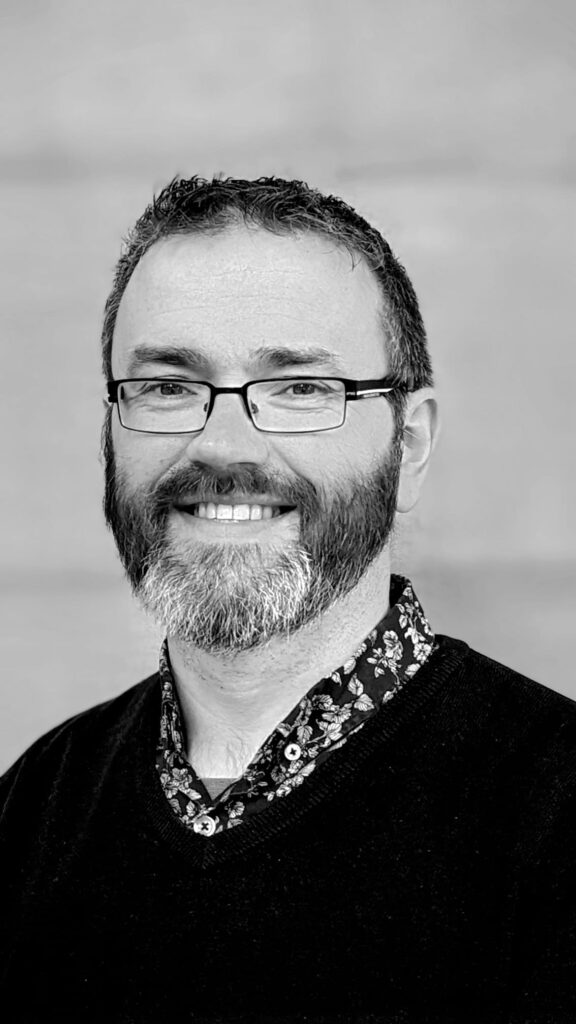
Following his achievement of a Post-Graduate Diploma in singing at the Birmingham Conservatoire he settled in Sheffield in 2003. He became the Artistic Director of the University of Sheffield Singers’ Society and now directs all four of their choirs. He served as Musical Director of Hallam Choral Society from 2004 to 2015. Passionate about vocal education, he spent eight years as Singing Project Coordinator for Sheffield Music Hub. As Education Lead for Out of the Ark Music he promotes singing as a vital part of school learning across the UK
As a baritone soloist, Peter has performed in notable works such as Orff’s Carmina Burana, Rossini’s Petite Messe Solennelle and Handel’s Messiah, appearing in venues across England. He sang the baritone solo in Stanford’s Songs of the Fleet with Stone Choral, 2025
Musical director and conductor Harriet Johnson
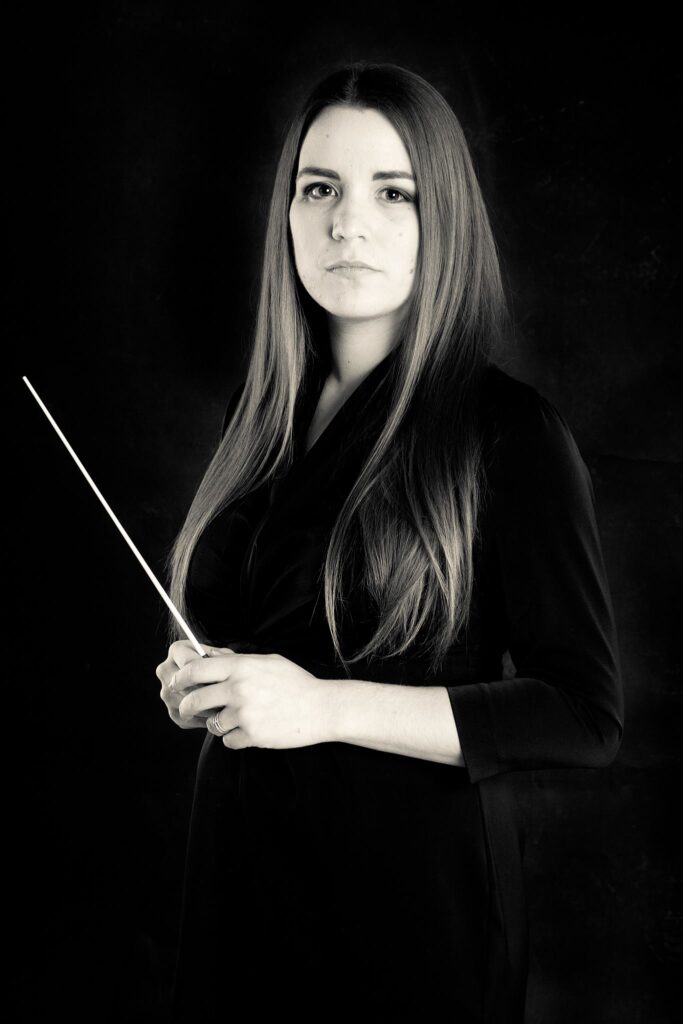
Harriet was born in Staffordshire and graduated in music at The University of Sheffield,. Following a career as a concert singer Harriet held several teaching and choral director posts. In 2013 Harriet became the new artistic director for Stone Choral Society.
Harriet has a special interest in anatomy and physiology of the voice. She has trained as a Speech and Language Therapist and is now practicing in hospitals and voice clinics.
She co-directs with Stuart Johnson and conducts the Cantiamo Chamber Choir based in Stone. She is an enthusiastic choral teacher and vocal coach; her choral workshops held locally are widely enjoyed and appreciated.
Facebook: musicianharrietjohnson
Pianist Jennifer Hames
Jenny is an accomplished pianist, violinist, teacher and composer based in Stone.
She works with many Staffordshire choirs, currently including Stone Choral Society, Cantiamo Chamber Choir and The Daleian Singers.
Jenny is passionate about education and teaches children and adults of all ages and abilities, also
accompanying instrumental examinations, A-Level music assessments and university degree
recitals.
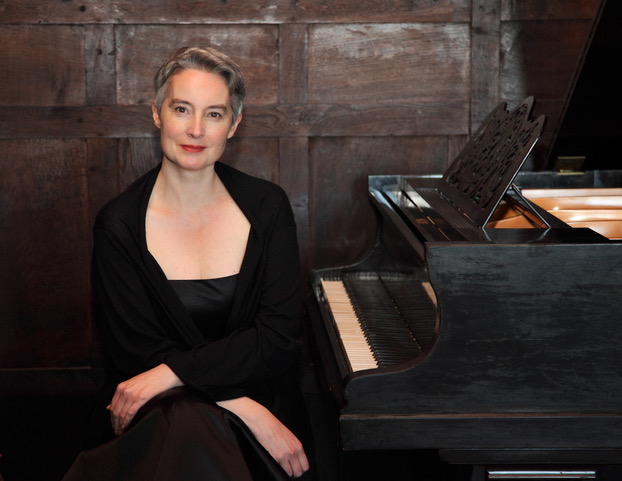
Pianist Mark Goodhew
Mark is a pianist who has performed with Stone Choral on a number of occasions. Being local to the area he is sought after as a pianist, an organist and double bassist. He graduated from Keele University in Music and Music Technology and is both soloist and accompanist for local choirs and groups. He performs solo piano and organ recitals. He is organist for St Peter’s church in Alton as well as other churches. He plays double bass as a freelance musician for local and national orchestras. These musical performances are in addition to his full time job at JCB. He is Musical director of Moorland Voices, a chamber choir.
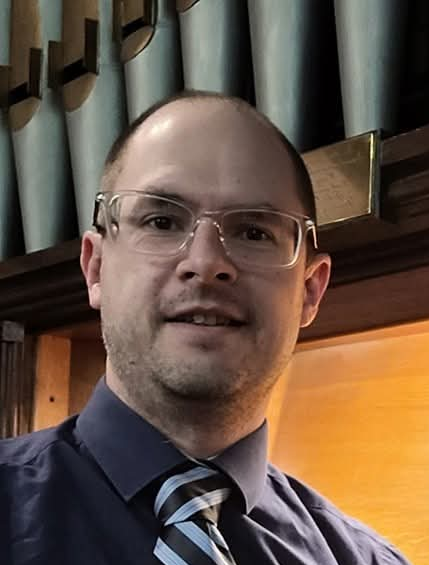
Musical Notes
Alan Jeavans (choir member) has written these notes to give us more information about the work. His translation of the German text is found towards the end.
Translations of the German words
Movement 1 ‘Selig sind’
Text Matthew 5 v4
Selig sind, die da Leid tragen, denn sie sollen getröstet werden
Blessed are they that mourn for they shall be comforted.
Psalm 126 vv5,6
Die mit Tränen säen werden mit freuden ernten. Sie gehan hin und weinen und tragen edlen Samen und kommen mit Freuden und bringen irhe Garben.
They that sow tears will reap in joy. They go forth weeping bearing precious seeds and return rejoicing bringing their sheaves.
Movement 2 ‘Denn alles Fleisch‘
Text Peter 1 v24
Denn alles Fleisch es ist wie Gras und alle Herrlichkeit des Menschen wie des Grases Blumen. Das Gras is verdorret und die Blume abgefallen.
All flesh is as grass and all the glory of man as the flower of grass. The grass withereth and the flower falls away.
Text James 5 vv7,8
seid nun geduldig lieben Brüder bis auf die Zukunft des Herrn. Seihe ein Ackermann wartet auf die köstliche Frucht der Erde und ist geduldig daruber bis er empfahe den Morgenregen und Abendregen. So seid geduldig.
Be patient therefore dear brothers until the coming of the Lord. See how the farmer waits for the precious fruit of the earth waiting patiently until it receives the morning rain and evening rain. Be ye patient in the same way.
1 Peter 1 v25
Aber des Herrn Wort bleibet in Ewigkeit
But the word of the Lord endureth forever.
Isiaah 35 v10
Die Erlöseten des Herrn werden wieder kommen und gen Zion kommen mit Jauchzen; ewige Freude wird über ihrem Haupte sein. Freude und Wonne werden sie ergreifen und Schmerz und Seufzen wird weg müssen.
The ransomed of the Lord will return again and come rejoicing into Zion; everlasting Joy shall be upon their heads, joy and delight shall overwhelm them and sorrow and sighing will have to flee away.
Movement 3 ‘Herr, Lehre doch mich’
Text Psalm 39 vv4-7
Herr, lehre doch mich daß ein Ende mit mir haben muß und mein Leben ein Ziel hat und ich davon muß. Siehe, meine Tage sind einer Handbreit vor dir und mein Lebenist wie nichts vor dir.
Ach wie gar nichts sind alle Menschen die doch so sicher leben. Sie gehen daher wie ein Schemen und machen ihnen viel vergebliche Unruhe sie sammeln and wissen nicht
wer es kriegen wird.
Nun Herr Ah wes soll ich mich trösten?
Ich hoffe auf dich.
Lord teach me that my life is finite it must come to an end and I must leave it. for my days here are but a handbreadth to you and my lifetime is as nothing in your sight. How insignificant are those who are so sure of themselves. they are mere shadows of men, they strive for things that don’t matter, they gather wealth with no idea who will benefit. Ah Lord in what can I find reassurance? I rest all my hopes on Thee.
Wisdom 3 v1
Die gerechten Seelen sind in Gottes Hand, und keine Qual rühret sie an.
The souls of the righteous are in the hand of God and no torment can touch them.
Movement 4 ‘ Wie lieblich sind’
Psalm 84 vv1,2,4
Wie lieblich sind deine Wohnungen Herr Zebaoth. Meine Seele verlanget und sehnet sich nach den Vorhöfen des Herrn, mein Leib und Seele freuen sich in dem lebendigen Gott.
Wohl denen die in deinem Hause wohnen, die loben dich immer dar.
How lovely are thy dwelling places oh Lord of Hosts. my body and soul delight in the living God. Blest are they who live within your house, they praise your name. for evermore.
Movement 5 ‘Ihr habt nun Traurigkeit’
John 16 v22
Ihr habt nun Traurigkeit aber ich will euch wieder sehen und euer Herz soll sich freuen, und eure Freude soll niemand von euch nehmen.
You have sorrow now but I will see you again and your hearts will rejoice and no one can take your joy from you.
Sirach 51 v27
Sehet mich an: Ich habe eine kleine Zeit Mühe und Arbeit gehabt und habe großen Trost funden.
Look at me: For a brief period I suffered trouble and laboured and found great comfort..
Isaiah 66 v13
Ich will euch trösten wie einen seine Mutter tröstet
As one whom his mother comforts so I will comfort you.
Movement 6 ‘ Denn wir haben hier’
Hebrews 13 v14
Denn wir haben hier keine bleibende Statt sondern die zukünftige suchen wir.
For we are but sojourners here what we seek is in the future.
1 Cor 15 vv51-55
Siehe ich sage euch ein Geheimnis: Wir werden nicht alle entschlafen aber alle verwandelt werden und das selbige plötzlich in einem Augenblick zu der Zeit der letzten Posaune. Denn es wird die Posaune schallen und die Toten werden auferstehen unverweslich und wir verwerden wandelt werden. Dann wird erfüllet werden das Wort das geschrieben steht: Der Tod ist verschlungen in den Sieg. Tod wo ist dein Stachel! Hölle wo ist dein Sieg!
Lo I tell you a mystery: We shall not all pass away but all will be transformed in the twinkling of an eye at the time of the last trumpet. and the dead will be raised incorruptible and we shall be changed. Then will be fulfilled the word that is written: Death is swallowed up in victory. Death where is thy sting! Hell where is thy victory!
Rev 4 v 11
Herr, du bist würdig zu nehmen Preis und Ehre und Kraft, denn du hast alle Dinge erschaffen, und durch deinen Willen haben sie das Wesen.
Worthy art thou oh Lord to receive glory and honour and power, All things were created by thee, and exist because thou hast willed it.
Movement 7 ‘ Selig sind die Toten’
Revelation 14 v13
Selig sind die Toten die in dem Herrn sterben, von nun an. Ja, der Geist spricht; daß sie ruhen von ihrer Arbeit; denn ihre Werke folgen ihnen nach.
Blessed are the dead who die in the Lord henceforth. So says the Spirit; Indeed they rest from their labours, for their deeds follow after them.